When is a gluten-free diet medically necessary?
There are three well-defined situations in which eliminating gluten is not simply a lifestyle choice, but a medically necessary treatment.
Celiac disease: a lifelong treatment
Celiac disease affects approximately 1% of the population.
Diagnosis involves several steps: a blood test to detect specific antibodies, a biopsy of the small intestine, and clinical improvement after starting a strict gluten-free diet.⁹
Once diagnosed, gluten must be eliminated completely and permanently.
Even tiny amounts of gluten can sustain intestinal inflammation and lead to complications such as iron, vitamin D, and folate deficiencies, osteoporosis, fertility issues, and an increased risk of certain digestive complications.
To date, a strict gluten-free diet remains the only validated treatment for celiac disease.
Non-celiac gluten sensitivity
Non-celiac gluten sensitivity refers to people who develop digestive or general symptoms after consuming gluten, despite testing negative for both celiac disease and wheat allergy.
The most common symptoms include:
- Bloating
- Abdominal pain
- Fatigue
- Brain fog
- Digestive discomfort
The diagnosis remains one of exclusion. Once other possible causes have been ruled out, a supervised elimination and reintroduction of gluten can help determine whether gluten is truly responsible for the symptoms.⁷
For these individuals, reducing or eliminating gluten may provide significant relief. However, this approach should be guided by a healthcare professional to help prevent nutritional deficiencies and unnecessary dietary restrictions.
Wheat allergy
Wheat allergy is an immune reaction involving IgE antibodies. More common in children than in adults, it can cause skin, respiratory, or digestive symptoms. In the most severe cases, it may lead to anaphylaxis, which requires immediate medical attention.
Diagnosis is made by an allergist using skin prick tests, specific IgE blood tests, and, when necessary, an oral food challenge.
Treatment consists of avoiding wheat. Unlike celiac disease, this does not necessarily mean eliminating all gluten-containing grains. Some people with a wheat allergy can still tolerate barley or rye.
When is a gluten-free diet unnecessary... and potentially counterproductive?
Outside of these three well-defined medical conditions, following a gluten-free diet is more a matter of personal choice than medical necessity.
And contrary to popular belief, it does not automatically provide benefits for digestive health.
No proven benefits for healthy individuals
To date, there is no strong scientific evidence that eliminating gluten improves gut health or overall health in people who do not have celiac disease, non-celiac gluten sensitivity, or a wheat allergy.²
The improvements sometimes reported after cutting out gluten are generally linked to other dietary changes.
When people decide to eliminate gluten, they often reduce their intake of ultra-processed foods, cook more meals from scratch, eat more whole foods, and pay closer attention to their diet. These changes are what most often explain the benefits they experience.
For people who tolerate it, gluten itself has not been shown to be harmful.
The nutritional risks of an unnecessary gluten-free diet
Eliminating gluten without a medical reason can also lead to nutritional imbalances.
Whole grains that naturally contain gluten, such as whole wheat, barley, rye, and spelt, are valuable sources of fiber, magnesium, iron, zinc, and B vitamins.
The problem arises when these foods are replaced with processed gluten-free products.
These products are often:
- Lower in fiber
- Higher in added sugars
- Higher in fat
- Less nutritious overall
The risk therefore lies not in eliminating gluten itself, but in the quality of the foods that replace it.⁵
The paradoxical effect on the gut microbiome
This is probably the least well-known aspect of a gluten-free diet.
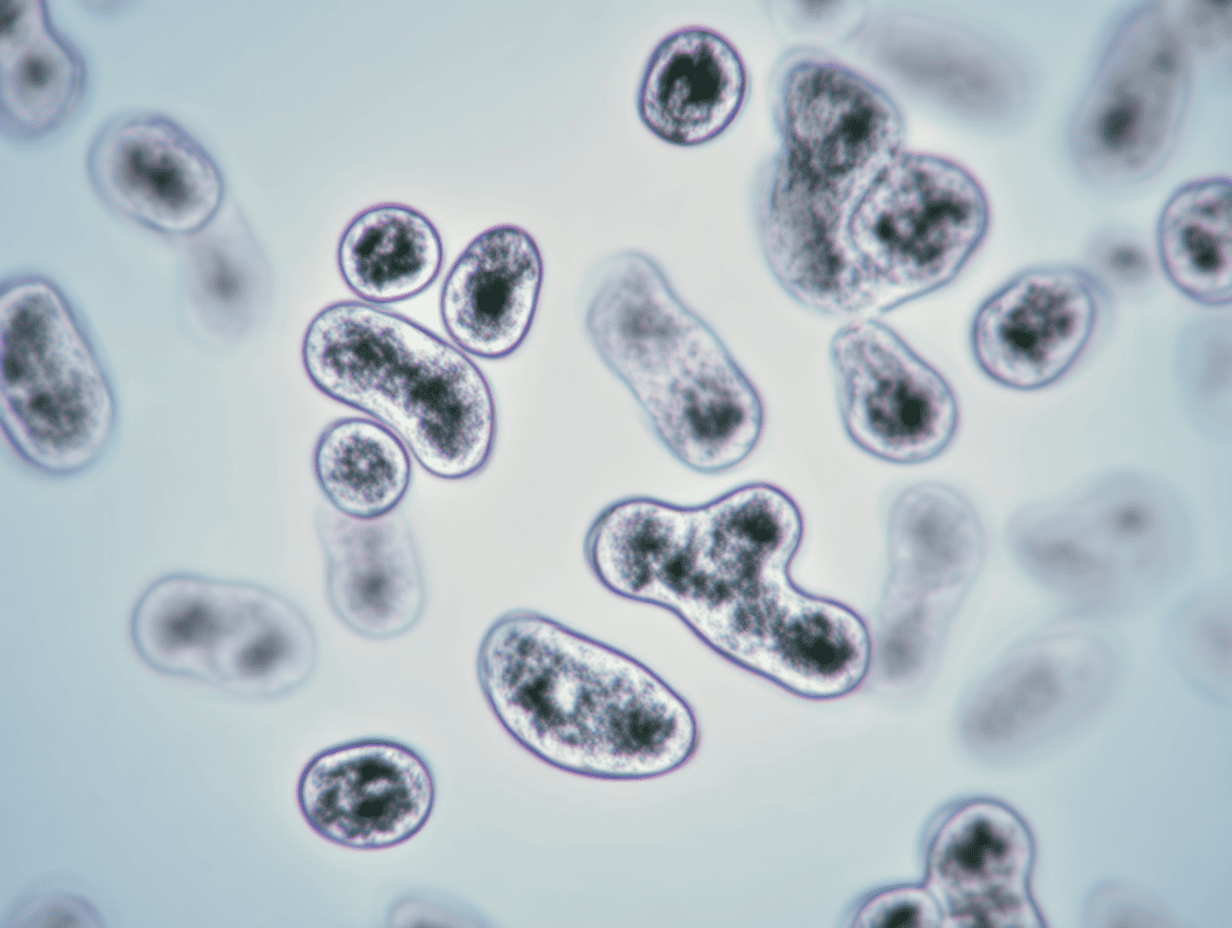
When followed long-term without a medical need, it can have an unfavorable impact on the composition of the gut microbiome.⁵
Studies have shown:
- Reduced bacterial diversity
- Lower levels of beneficial bacteria such as Bifidobacterium and Lactobacillus
- Higher levels of certain less beneficial bacterial species
Why?
Because eliminating wheat, barley, and rye often means consuming fewer prebiotic fibers naturally found in whole grains. These fibers are one of the main energy sources for beneficial gut bacteria.
As a result, a poorly planned gluten-free diet can paradoxically reduce the diversity of the gut microbiome instead of supporting it.
Gluten-free diet and gut microbiome: what recent studies show
Research on the relationship between gluten and the gut microbiome has expanded considerably in recent years. Today, three key findings stand out.
Reduced bacterial diversity
Even in people with celiac disease who strictly follow a gluten-free diet, the gut microbiome often remains less diverse than that of the general population.⁶
This reduced microbial diversity may help explain why some patients continue to experience digestive discomfort despite adhering carefully to their treatment.
When a gluten-free diet is medically necessary, it should therefore be complemented by a diet rich in plant-based foods, fiber, polyphenols, and fermented foods to help support a diverse and resilient gut microbiome.
Processed gluten-free products are often lower in fiber
Not all gluten-free foods are created equal.
Processed products specifically labeled "gluten-free" are generally lower in fiber than their conventional counterparts. For example, gluten-free sandwich bread often contains more refined starches and less fiber than traditional whole wheat bread.
This difference matters for the gut microbiome.
Fiber serves as fuel for beneficial gut bacteria, which produce short-chain fatty acids—compounds that play an essential role in maintaining the intestinal barrier and regulating inflammation.
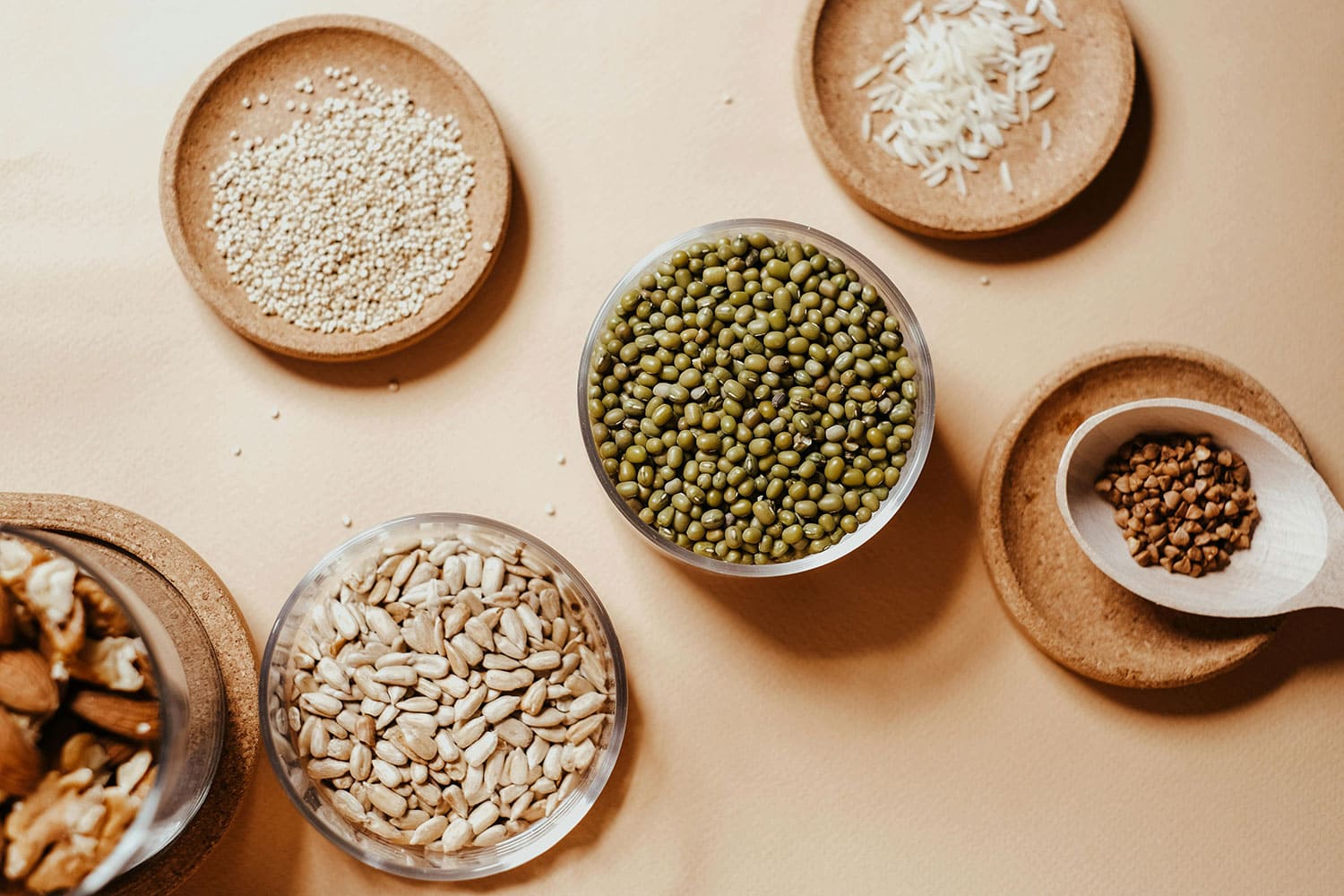
A well-balanced gluten-free diet is therefore about more than simply eliminating gluten. It also means replacing gluten-containing grains with naturally fiber-rich alternatives such as quinoa, buckwheat, millet, legumes, and vegetables.
Irritable bowel syndrome: a special case
Many people believe they are sensitive to gluten when they are actually living with irritable bowel syndrome (IBS).
In these cases, the symptoms are usually triggered not by gluten itself, but by FODMAPs—fermentable carbohydrates naturally found in wheat and certain other grains.⁸
When these foods are reduced or eliminated, symptoms often improve quickly. The benefits observed are therefore mainly due to a lower intake of FODMAPs rather than the absence of gluten itself.
For people with IBS, a low-FODMAP diet implemented under the guidance of a healthcare professional is often more effective and far less restrictive than completely eliminating gluten.
How to build a gluten-free diet that truly supports gut health
Whether a gluten-free diet is medically necessary or simply a personal choice, the goal should not be just to eliminate gluten. It's equally important to maintain a balanced diet and continue nourishing your gut microbiome. Three key principles can help you achieve this.
Choose naturally gluten-free foods
The foundation of a healthy gluten-free diet isn't the specialty aisle at the supermarket—it's foods that have never contained gluten in the first place.
These include:
- Fruits
- Vegetables
- Legumes (lentils, chickpeas, beans)
- Potatoes
- Eggs
- Meat and fish
- Nuts and seeds
- Rice
- Quinoa
- Buckwheat
- Millet
These foods are naturally rich in nutrients, fiber, and protein, making them an excellent foundation for a varied and balanced diet.
Building your meals around these naturally gluten-free foods is far more beneficial than simply replacing conventional products with processed gluten-free alternatives.
Vary your grains and pseudocereals
Not all gluten-free grains provide the same nutritional benefits.
Quinoa, buckwheat, millet, teff, amaranth, and brown rice each have their own unique nutritional profile. Rotating these grains not only adds variety to your diet but also provides a wider range of fibers to nourish your gut microbiome.
As is often the case in nutrition, diversity is one of the greatest allies of gut health.
Focus on fiber, polyphenols, and fermented foods
To support a healthy gut microbiome, three key groups of foods deserve a place in your daily diet.
Prebiotic fibers, found in legumes, vegetables, fruits, nuts and seeds, and certain root vegetables, directly nourish beneficial gut bacteria.
Polyphenols, naturally present in berries, green tea, cocoa, olive oil, and herbs, also play an important role in maintaining a balanced gut microbiome.
Finally, fermented foods naturally provide live microorganisms, including yogurt, kefir, kombucha, raw sauerkraut, and probiotic drinks.
A gluten-free diet that is low in plant-based foods and fiber can reduce the diversity of the gut microbiome. On the other hand, a gluten-free diet rich in whole foods, plant diversity, and fermented foods can make a meaningful contribution to long-term gut health.
Where does Minimiil fit in?
At Minimiil, we believe that supporting your gut microbiome isn't about eliminating foods—it's about giving it what it needs to thrive, every single day.
Our probiotic shots are naturally gluten-free.
Each shot contains:
- Billions of live probiotics from four carefully selected strains
- 2.1 g of prebiotic fiber (agave inulin)
- A base of fermented organic almond milk
- Carefully selected plant-based ingredients
They fit seamlessly into a gluten-free lifestyle, whether it's followed for medical reasons or by personal choice.
For people living with celiac disease, they offer a simple way to add probiotics and prebiotic fiber to their daily routine. For everyone else, they're an easy daily habit to help naturally support a balanced gut microbiome alongside a plant-rich diet.
A healthy gut microbiome is built day by day.
And it's consistent daily habits—not dietary restrictions—that make the biggest difference.


![[full]](http://minimiil.com/cdn/shop/files/minimiil-4saveurs-gouts-packshots.jpg?v=1780923515&width=1000)