Why is snack time so important in a child’s day?
Snack time isn’t just a “bonus”: it’s a full meal in a child’s day.
It helps meet late-day energy needs, especially for active, growing children or after school⁵. But everything depends on what’s on the plate. A balanced snack should:
- avoid excess fast sugars (cookies, pastries, sodas)
- provide useful nutrients (fiber, calcium, protein, healthy fats)
- and keep energy levels steady until dinner
A study by INRAE also shows that reducing the snack’s energy load, in other words, cutting unnecessary calorie density, helps prevent childhood overweight, without compromising satiety or enjoyment⁶.

The most common snack-time mistakes
- Ultra-processed foods: chocolate bars, packaged cookies, and industrial fruit juices are often high in added sugars and saturated fats. Regular consumption of these products is associated with a higher risk of childhood obesity and metabolic disorders¹.
- Overly sweet, low-fiber snacks: they cause blood sugar spikes followed by an energy crash, which leads to more snacking later on⁷.
- Portions that are too large: a snack should account for about 10–15% of daily energy intake, or roughly 150 to 250 kcal depending on the child’s age⁷.
If you want, I can tighten this further for website copy, educational content, or brand tone.
The principles of a healthy, filling snack
A good snack is built around three food groups:
- A source of protein or calcium
Dairy products (plain yogurt, fromage blanc, milk) or calcium-fortified plant-based alternatives help support bone and muscle development⁷. Studies show that children who consume protein-rich snacks have better blood sugar regulation and fewer cravings later in the day². - A source of complex carbohydrates
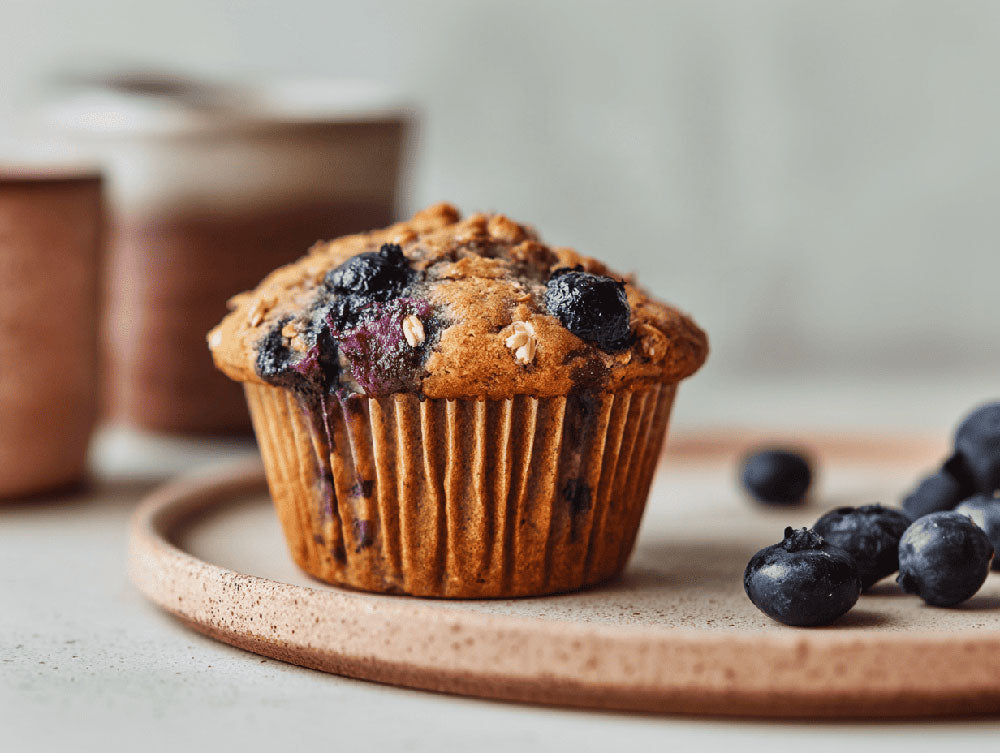
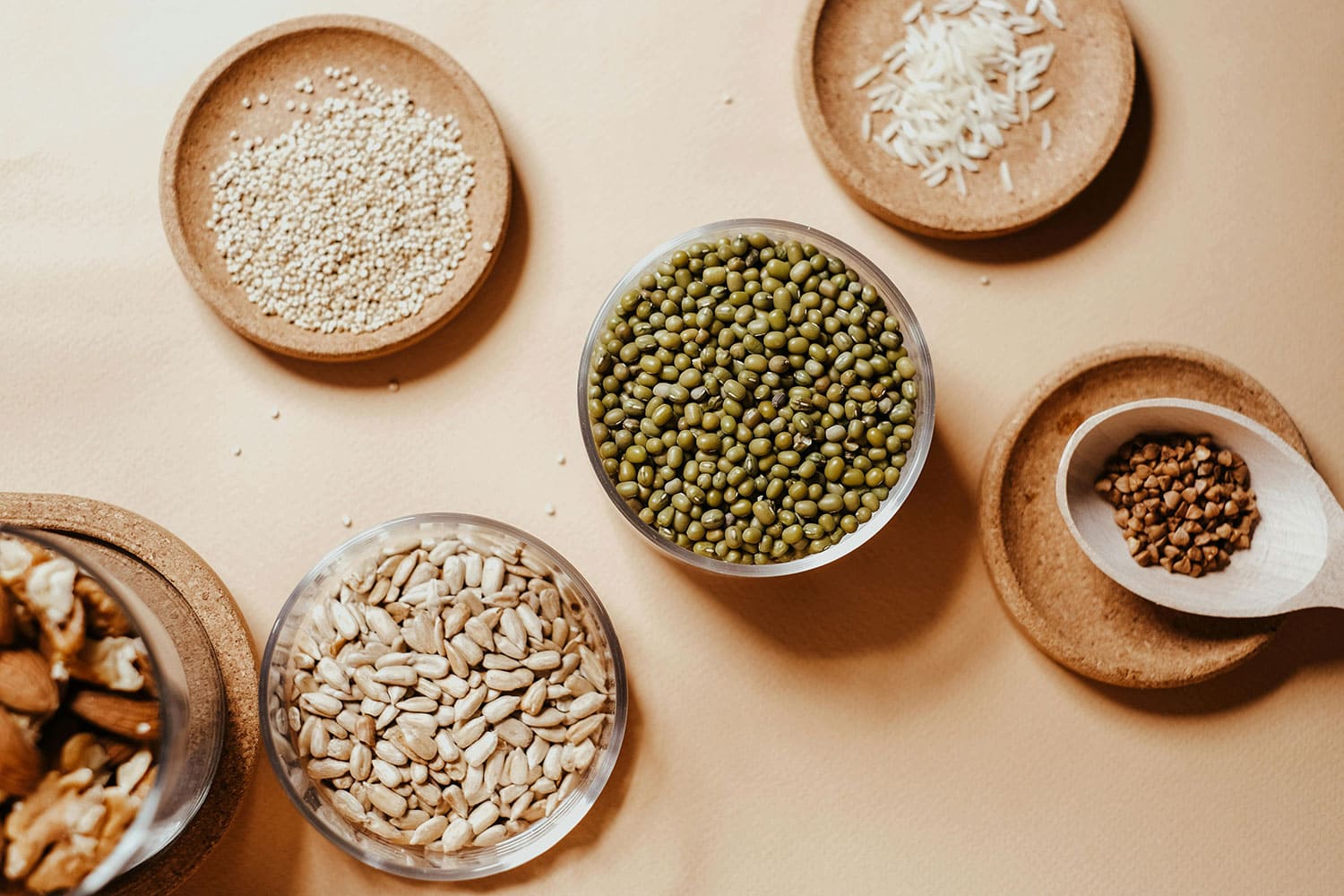
Whole-grain bread, plain rice cakes, or oats release energy more slowly, without sharp blood sugar spikes⁵. Low-glycemic snacks are associated with better concentration and longer-lasting satiety³. - A portion of fruit
Fresh fruit, unsweetened fruit purée, or dried fruit (in small amounts) provides essential fiber, vitamins, and antioxidants for growth⁵. Whole fruit is preferable to fruit juice, as its fiber helps limit blood sugar rises⁶.
![[square]](http://minimiil.com/cdn/shop/files/minimiil-ingredients-probiotiques.gif?v=1783084021&width=1000)