Seasonal diet: a key factor behind these variations
Among the factors that most strongly influence the gut microbiome, diet plays a central role. Gut bacteria use fibers and nutrients from our food as their primary source of energy. Any change in dietary patterns can therefore alter the balance of this ecosystem⁴.
Yet diet naturally evolves throughout the seasons. In spring and summer, meals often include more fruits, vegetables, and fiber-rich foods, while winter is more frequently associated with richer, fattier, or more processed dishes.
These variations directly influence gut bacteria. Certain species tend to thrive when the diet is high in fiber, while others prosper in different nutritional environments⁵. This close relationship between diet and the microbiome explains why seasonal dietary changes can lead to rapid shifts in gut microbial composition.
A microbiome capable of changing very rapidly
One of the defining characteristics of the gut microbiome is its ability to adapt rapidly. Studies have shown that the composition of gut bacteria can change in just a few days when dietary patterns shift significantly⁶.
This high level of plasticity allows the body to adapt to new dietary or environmental conditions. However, it also means that seasonal transition periods can lead to rapid fluctuations within the intestinal ecosystem.
When several changes occur simultaneously, such as dietary shifts, reduced sunlight exposure, or variations in physical activity, the microbiome must reorganize its internal balance. During these moments, supporting microbial diversity becomes particularly important.
Sunlight, lifestyle, and immunity: the influence of the seasons
Seasons also influence other factors that can indirectly affect the gut microbiome. Sunlight exposure, for example, alters the production of vitamin D, a component involved in regulating the immune system and maintaining the balance of interactions between the body and its gut bacteria⁷.
Lifestyle rhythms also evolve throughout the year. Winter periods are often associated with lower levels of physical activity, more time spent indoors, and increased exposure to seasonal infections.
These factors can influence the relationship between the gut microbiome and the immune system, contributing to the seasonal variations observed in certain inflammatory or infectious diseases⁸. In this way, the seasons act on the microbiome through a set of interconnected mechanisms.
Why seasonal changes are key moments to take care of your gut microbiome
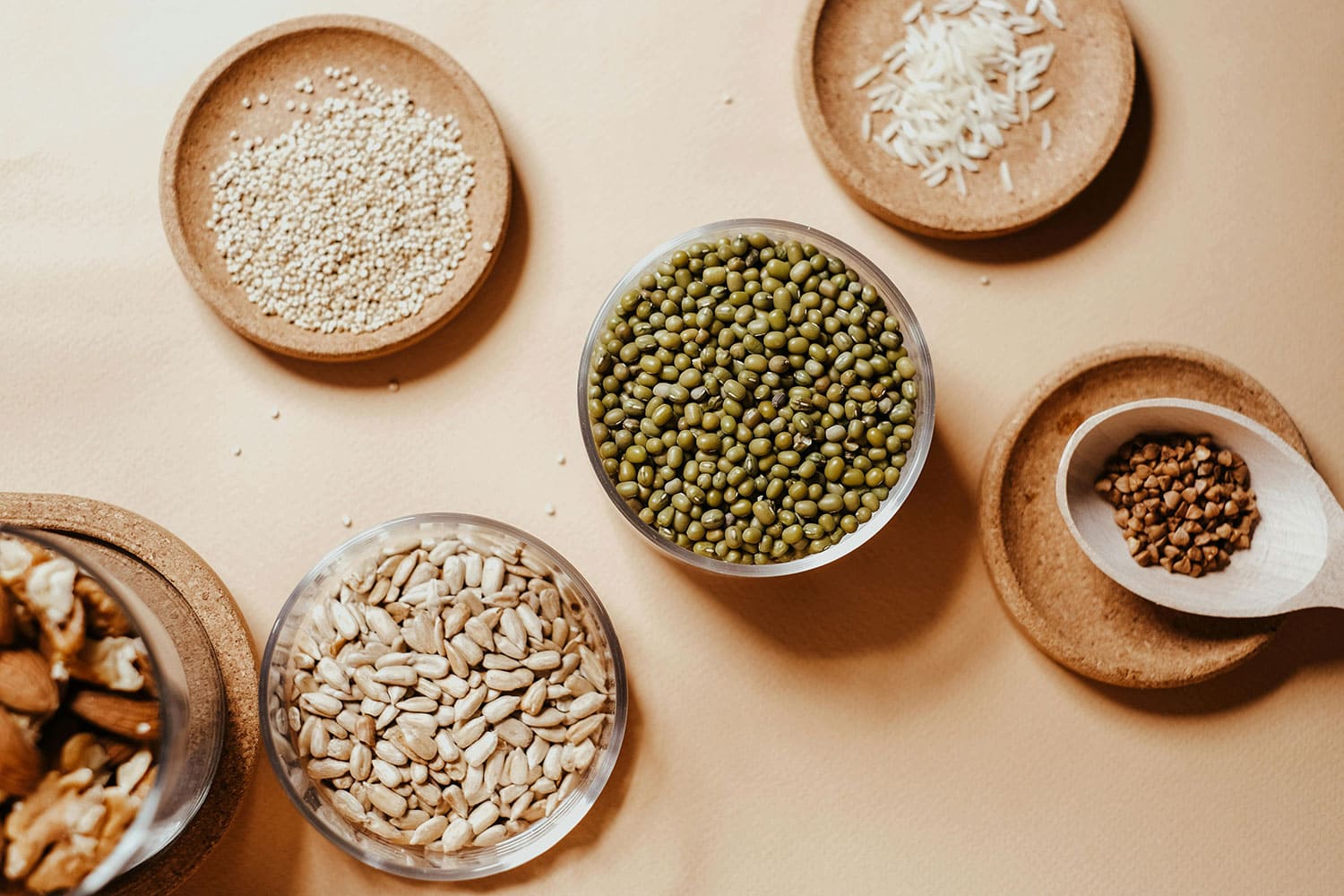
Seasonal transition periods therefore represent moments when both the body and the microbiome must simultaneously adapt to several environmental changes. In this context, maintaining a diverse and balanced microbiome becomes particularly important. A diet rich in plant fibers, varied foods, and minimally processed products helps nourish beneficial bacteria and support microbial diversity.
Scientific studies show that the metabolites produced by the microbiome play a central role in regulating the energy metabolism of immune cells and in controlling intestinal inflammation⁹. Taking care of the microbiome throughout the year is therefore essential, but these efforts may be particularly beneficial during seasonal changes, when the intestinal ecosystem is undergoing a phase of adaptation.
In short, our microbiome evolves with the seasons, just as our body does. Understanding these variations reminds us that gut health also follows a natural rhythm, and that transition periods are valuable opportunities to support the balance of our intestinal flora.


![[square]](http://minimiil.com/cdn/shop/files/minimiil-ingredients-probiotiques.gif?v=1783084021&width=1000)