My cart

Your cart is empty.

Science & Trends09 Mar 26
5 min

Reducing inflammation: what your diet can really change

Inflammation is an essential biological mechanism that allows the body to defend itself against infections, injuries, or external aggressions. However, when it becomes chronic, it can contribute to the development of many modern diseases, such as cardiovascular, metabolic, or digestive disorders. Researchers now consider persistent inflammation to be a major factor in aging and chronic disease.¹

More and more studies show that our lifestyle, and particularly our diet, directly influences inflammatory mechanisms. Certain nutrients and dietary patterns can modulate immune responses and contribute to reducing inflammation. Understanding these interactions helps us adopt eating habits that support long-term health.

Réduction de l’inflammation : ce que votre alimentation peut vraiment changer

Understanding the role of inflammation in the body

Inflammation is a defense response triggered by the immune system to eliminate a pathogen or repair damaged tissue. This process mobilizes various immune cells and signaling molecules in order to restore the body’s balance.² However, when this response persists over time, it can become harmful and contribute to the development of chronic diseases. This so-called “low-grade” inflammation is now associated with many metabolic, cardiovascular, and neurodegenerative disorders.¹ Scientists have also shown that the brain plays a central role in detecting and regulating inflammation by coordinating immune responses throughout the body.³

Diet, a major lever for reducing inflammation

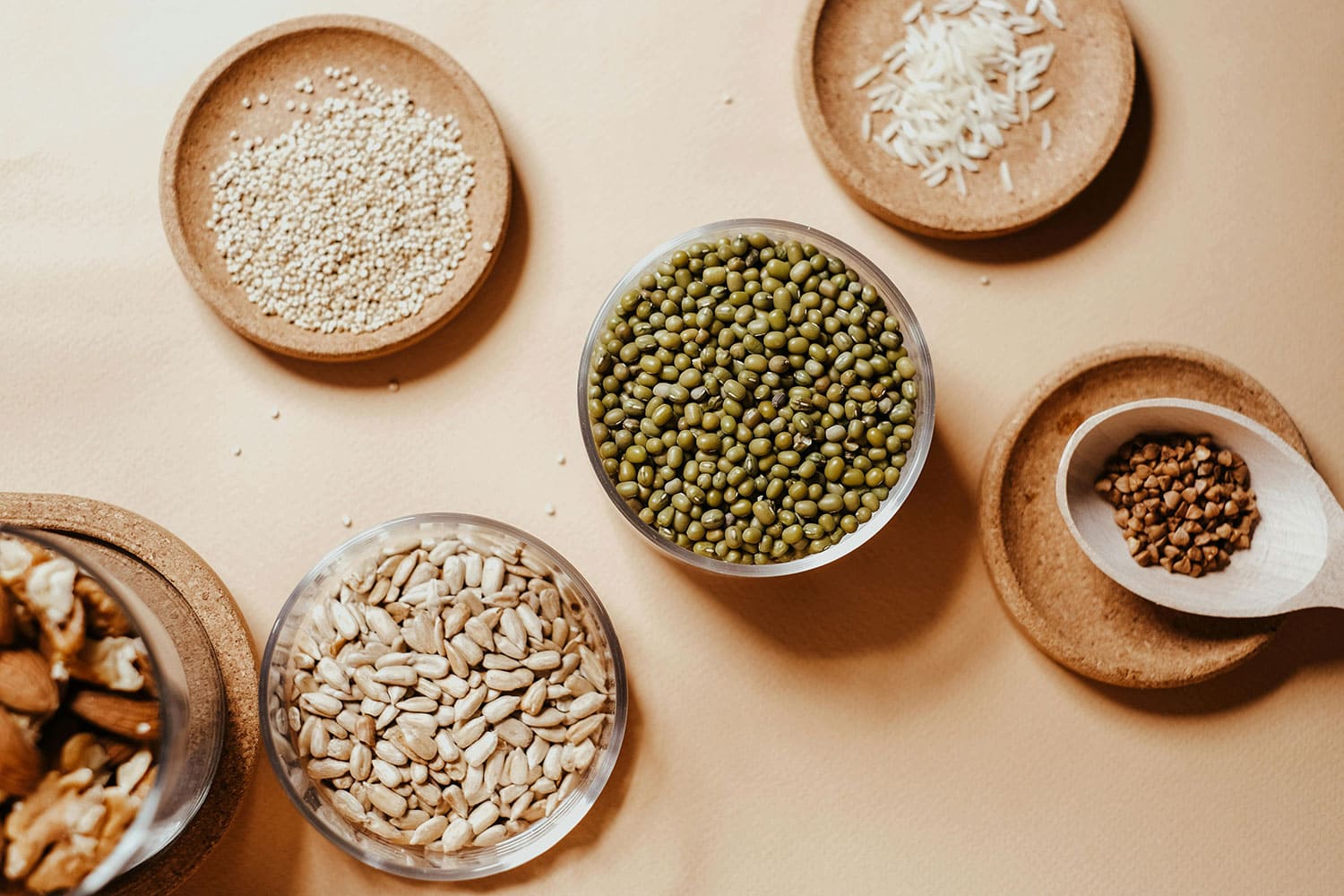
Recent research indicates that diet can influence inflammatory processes by modulating the activity of the immune system and the functioning of the gut microbiota.⁴ Certain dietary patterns rich in fruits, vegetables, fish, nuts, and plant oils provide nutrients that can help limit the production of pro-inflammatory molecules.⁵ These foods notably contain antioxidants, fibers, and unsaturated fatty acids that contribute to regulating inflammatory mechanisms and protecting cells from oxidative stress.⁶ Conversely, a diet high in ultra-processed foods, refined sugars, and saturated fats can promote the activation of inflammatory pathways and contribute to the development of chronic inflammation.⁷

Réduction de l’inflammation : ce que votre alimentation peut vraiment changer

The central role of the gut microbiome

The gut microbiota plays a key role in the regulation of inflammation. The billions of microorganisms present in the intestine interact with the immune system and influence the production of inflammatory molecules.⁸

Certain gut bacteria have anti-inflammatory properties that can help limit excessive immune responses and improve intestinal balance.⁹ Researchers are also studying the potential of certain microorganisms or food yeasts capable of producing molecules with anti-inflammatory effects in the gut.¹⁰

Inflammation and chronic diseases

Persistent inflammation is now implicated in many chronic diseases, particularly inflammatory bowel diseases such as Crohn’s disease.¹¹ Scientific research shows that a better understanding of inflammatory mechanisms opens the way to new therapeutic and nutritional strategies to prevent or mitigate these conditions.¹² This broader perspective, integrating diet, the microbiota, and immune mechanisms, has become a major focus of research in the prevention of inflammation-related diseases.

Réduction de l’inflammation : ce que votre alimentation peut vraiment changer

Conclusion

Science clearly shows that chronic inflammation plays a central role in many modern diseases. Diet is now seen as a key lever for influencing these biological mechanisms and helping to reduce inflammation. By prioritizing a diet rich in natural, varied, and minimally processed foods, it is possible to support immune functions and help preserve long-term health.

minimiil-blog-bibliotheque-boisson-vegetale

Our blog

Dive into the world of gut microbiome and nutrition!

Access the blog
minimiil-Rose-FAQ

Got questions?

Take a look at our FAQ, we answer all your questions.

View FAQ