My cart

Your cart is empty.

Nutrition & Health19 Jan 26
6 min

Processed or ultra-processed foods: what’s the difference and what are the risks for our health and the planet?

At minimiil, we believe that a balanced diet is not about counting calories or banning entire categories of foods, but about understanding what we are actually eating. In recent years, one term has become increasingly prominent in public debate: ultra-processed foods. Behind this expression lie products that are now ubiquitous on our plates, ready meals, sodas, sweetened cereals, snacks, industrial cold cuts, which today raise major concerns for both human health and the environment¹.

Aliments transformés ou ultra-transformés : quelle différence et quels dangers pour notre santé et la planète ?

Understanding the difference: raw, processed, and ultra-processed foods

First of all, it is essential to distinguish between processing and ultra-processing. Processing a food is not inherently bad: it is, in fact, what has allowed humanity to eat, preserve, cook, and diversify its diet.

  1. Raw foods

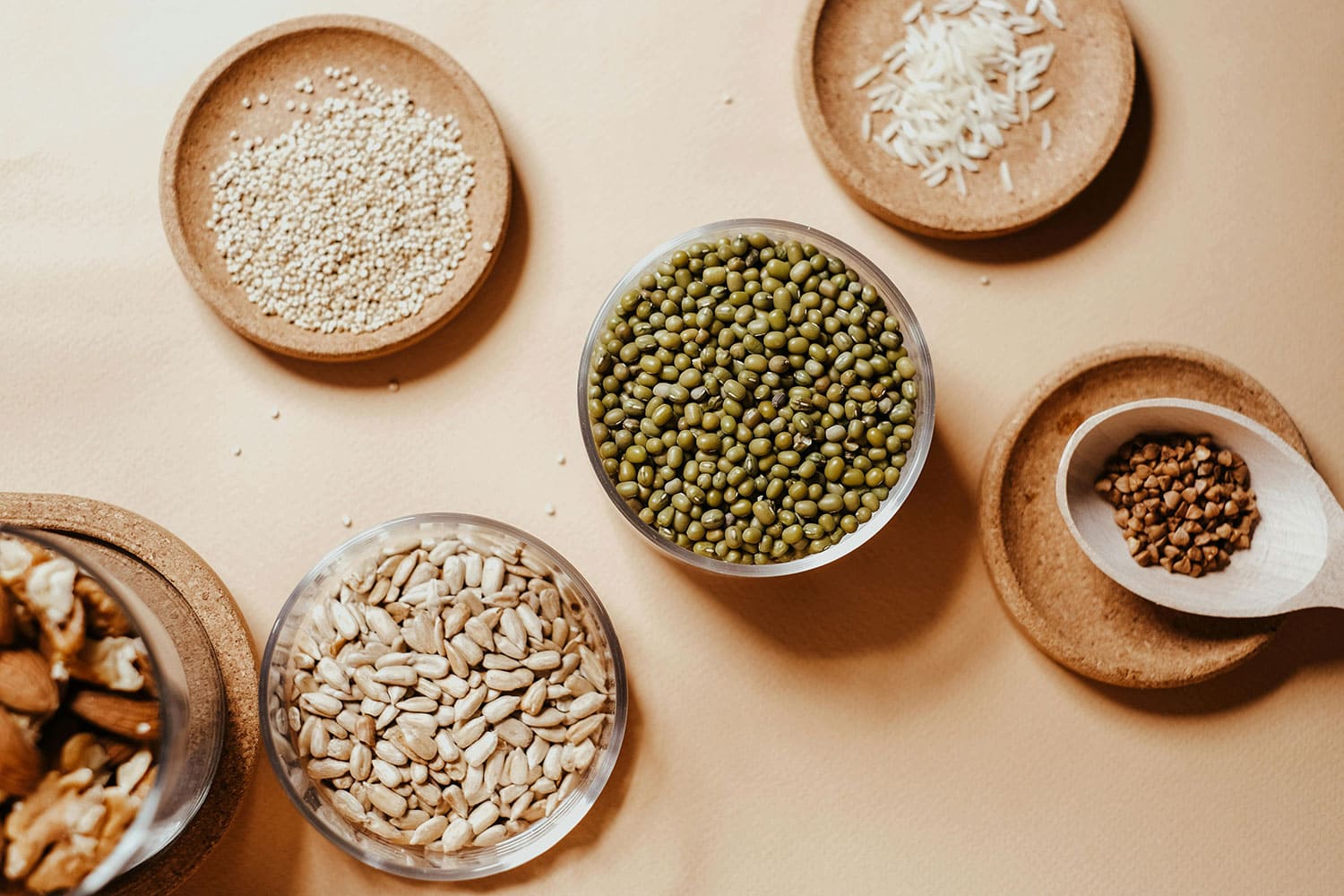
    These are natural products that are unmodified or only minimally modified: fruits, vegetables, eggs, fish, legumes, whole grains. Their composition remains close to their original state².
  2. Processed foods

    They have undergone a simple physical or chemical modification (cooking, fermentation, pasteurization, freezing, etc.). Their structure remains largely intact and their ingredients are easy to identify: artisanal bread, cheeses, canned vegetables, compotes with no added sugar³.
  3. Ultra-processed foods (UPFs)

    This is where the problem arises. According to the NOVA classification (used by the WHO), UPFs contain more than five ingredients and additives designed to mimic the taste, texture, or color of natural foods: flavorings, flavor enhancers, sweeteners, emulsifiers, colorants⁴.


These industrial processes are often intended to increase shelf life, palatability, and profitability, at the expense of nutritional and ecological quality⁵.

When processing denatures food

Research findings converge: the more a food is processed, the less it resembles what our bodies are designed to recognize. Ultra-processed foods are often high in added sugars, refined fats, salt, and additives, but low in fiber, vitamins, and essential micronutrients⁶.

The CNRS sums up this paradox clearly: *“It’s not just the calories that matter, but how they are structured”*¹. The food matrix, that is, the natural organization of nutrients within a food, plays a fundamental role in satiety, digestion, and metabolic response. In ultra-processed products, this matrix is often destroyed: nutrients are isolated, recombined, and re-textured, which disrupts appetite regulation and promotes automatic overconsumption⁷.

Aliments transformés ou ultra-transformés : quelle différence et quels dangers pour notre santé et la planète ?

The health risks of ultra-processed foods

Scientific evidence is mounting and shows that high consumption of ultra-processed foods (UPFs) is associated with an increased risk of metabolic, cardiovascular, and mental health diseases⁸.

Concerning data

A large epidemiological study published in the British Medical Journal observed that every 10% increase in the share of UPFs in the diet was correlated with a significant rise in the risk of cancer, obesity, type 2 diabetes, and depression¹¹. These effects cannot be explained solely by sugar or fat content: additives, emulsifiers, and newly formed contaminants also play a role. Some of these substances impair the intestinal barrier, alter the gut microbiota, and promote chronic low-grade inflammation¹³.

Mental health and eating behavior

Recent research suggests a link between UPF consumption and mood disorders: anxiety, cognitive fatigue, and food addiction¹⁴. Ultra-processed foods strongly activate the brain’s dopaminergic reward system, a mechanism comparable to that involved in addictive substances¹⁵.

An environmental impact that is just as alarming

The consequences do not stop at the human body. Ultra-processed foods contribute to an energy-intensive and polluting agri-food system, based on monoculture, intensive processing, and the overproduction of packaging⁶. INRAE has shown that these products generate a higher carbon footprint, use more water and energy, and encourage deforestation linked to the cultivation of standardized ingredients (palm oil, sugar, corn)⁸.

By contrast, a diet centered on minimally processed, local, and plant-based foods can reduce environmental impact by up to 40%¹⁶.

Aliments transformés ou ultra-transformés : quelle différence et quels dangers pour notre santé et la planète ?

Rethinking our relationship with food processing

At minimiil, we don’t believe in bans, but in understanding and nuance. Not all processed foods are bad. Homemade jam, tofu, or whole-grain bread are examples of useful processing that can make food easier to digest, safer, or more enjoyable.

The real challenge lies in reconnecting with naturalness: limiting “reconstructed” products in favor of foods where the original raw material is still recognizable. We encourage a simple approach:

  • Cook more at home, starting from raw ingredients.
  • Read labels: if the ingredient list exceeds five items or contains additives you don’t recognize, it is likely an ultra-processed food.
  • Choose short supply chains and seasonal products.

Conclusion: less ultra, more human

Science is clear: ultra-processed foods undermine our metabolic, mental, and environmental health. But rather than taking an alarmist stance, at minimiil we see this awareness as a powerful opportunity to relearn how to eat.

Returning to simple foods, rediscovering the pleasure of homemade cooking, and restoring the link between our food choices and the environment, this is real progress. Because a living, local, and minimally processed diet nourishes far more than the body: it also feeds the planet and the mind.

minimiil-blog-bibliotheque-boisson-vegetale

Our blog

Dive into the world of gut microbiome and nutrition!

Access the blog
minimiil-Rose-FAQ

Got questions?

Take a look at our FAQ, we answer all your questions.

View FAQ