Definitions: What Are We Really Talking About?
Dairy Yogurt
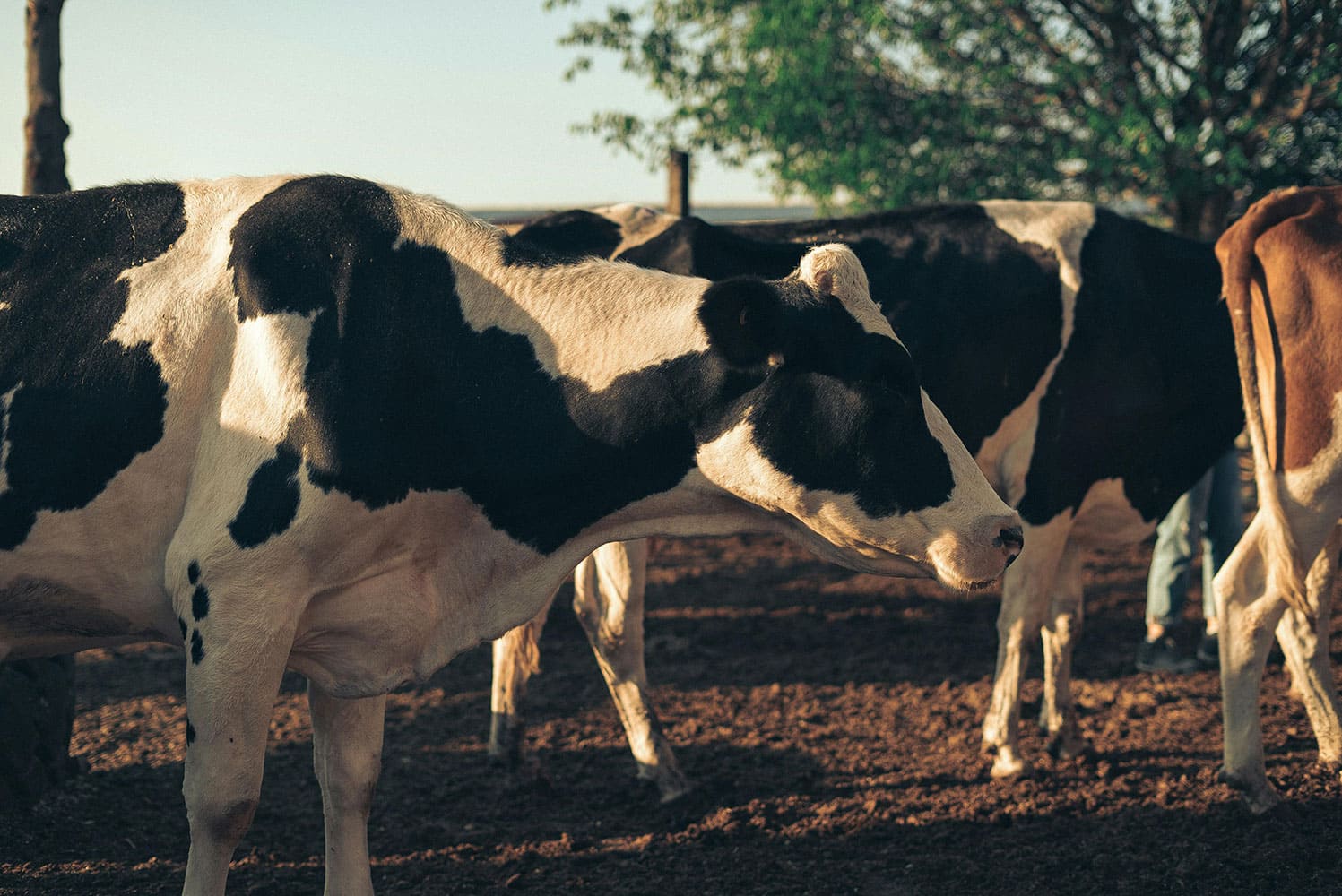
Dairy yogurt is a fermented product made from milk (cow, goat, or sheep), inoculated with specific bacterial cultures (Lactobacillus bulgaricus and Streptococcus thermophilus). Fermentation converts lactose into lactic acid, giving yogurt its characteristic texture and tangy flavor.
It is widely recognized as a source of complete protein, bioavailable calcium, and B vitamins. Fermented foods have held an important place in human diets for centuries, particularly for their nutritional value and improved preservation properties¹.
Plant-Based Yogurt
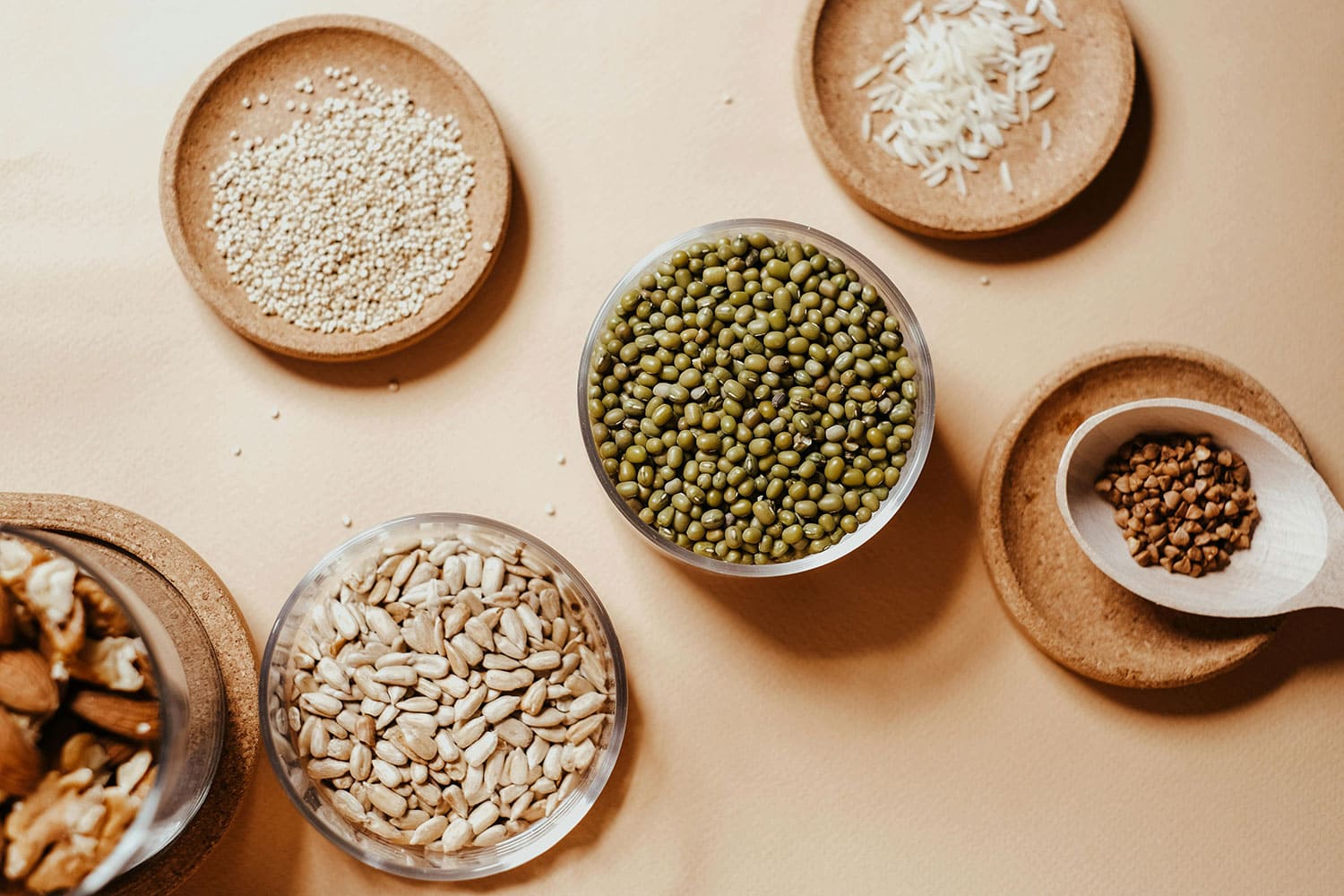
“Plant-based yogurts” (or fermented plant-based alternatives) are made from plant drinks such as soy, almond, coconut, oat, or rice, or directly from legumes. Like dairy yogurt, they are produced through fermentation using bacterial cultures, which modify texture, taste, and certain nutritional properties².
Scientific literature highlights the technological and nutritional potential of fermented plant matrices, especially legume-based ones, in the context of dietary transition and protein diversification³.

Health Benefits: Comparison with a Focus on Plant-Based Yogurts
Health Benefits of Dairy Yogurt
1. Essential Nutrient Intake
Dairy yogurts provide high-quality protein, calcium, and vitamins such as B2 and B12. Scientific data indicate that moderate dairy consumption can fit into a balanced diet and is not consistently associated with increased cardiovascular risk in the general population⁵.
2. Better Tolerance Than Milk for Some Individuals
Fermentation reduces the lactose content of the final product. As a result, yogurt is often better tolerated than milk among individuals with partial lactose intolerance⁶.
Health Benefits of Plant-Based Yogurts (Main Focus)
1. Suitable for Intolerances and Specific Diets
Plant-based yogurts are naturally lactose-free, making them suitable for individuals with lactose intolerance. They also fit vegetarian and vegan dietary patterns⁷.
More broadly, well-balanced plant-based diets are associated with metabolic and cardiovascular benefits⁸.
2. Potential Positive Effects on the Microbiome
Fermentation is associated with beneficial effects on gut microbiome diversity, a key factor in overall health². Increasing dietary diversity, particularly through fermented foods, is considered a strategy to support a resilient and diverse microbiome⁹.
In addition, fermenting plant matrices can improve legume digestibility and reduce certain antinutritional factors².
3. Often a More Favorable Lipid Profile
Plant-based alternatives are generally lower in saturated fat (with the exception of certain coconut-based products) and contain no cholesterol. Within an overall balanced diet, this profile may contribute to improved cardiovascular health⁸.
4. Diversification of Protein Sources
Diversifying protein intake, particularly through legumes, is considered compatible with good health when properly planned⁷. Research on dairy-legume combinations and fermented plant products also highlights their relevance in building more varied and nutritionally adapted dietary patterns⁴.
![[square]](http://minimiil.com/cdn/shop/files/minimiil-ingredients-probiotiques.gif?v=1783084021&width=1000)