Homemade milk kefir recipe: a creamy alternative to yogurt
While fruit kefir appeals with its light, fizzy character, milk kefir offers an equally compelling option for those seeking a creamier texture. With its smooth consistency—similar to drinkable yogurt—and its distinctive tangy taste, this version is just as easy to prepare at home and provides an excellent source of diverse probiotics.
Ingredients and preparation of milk kefir
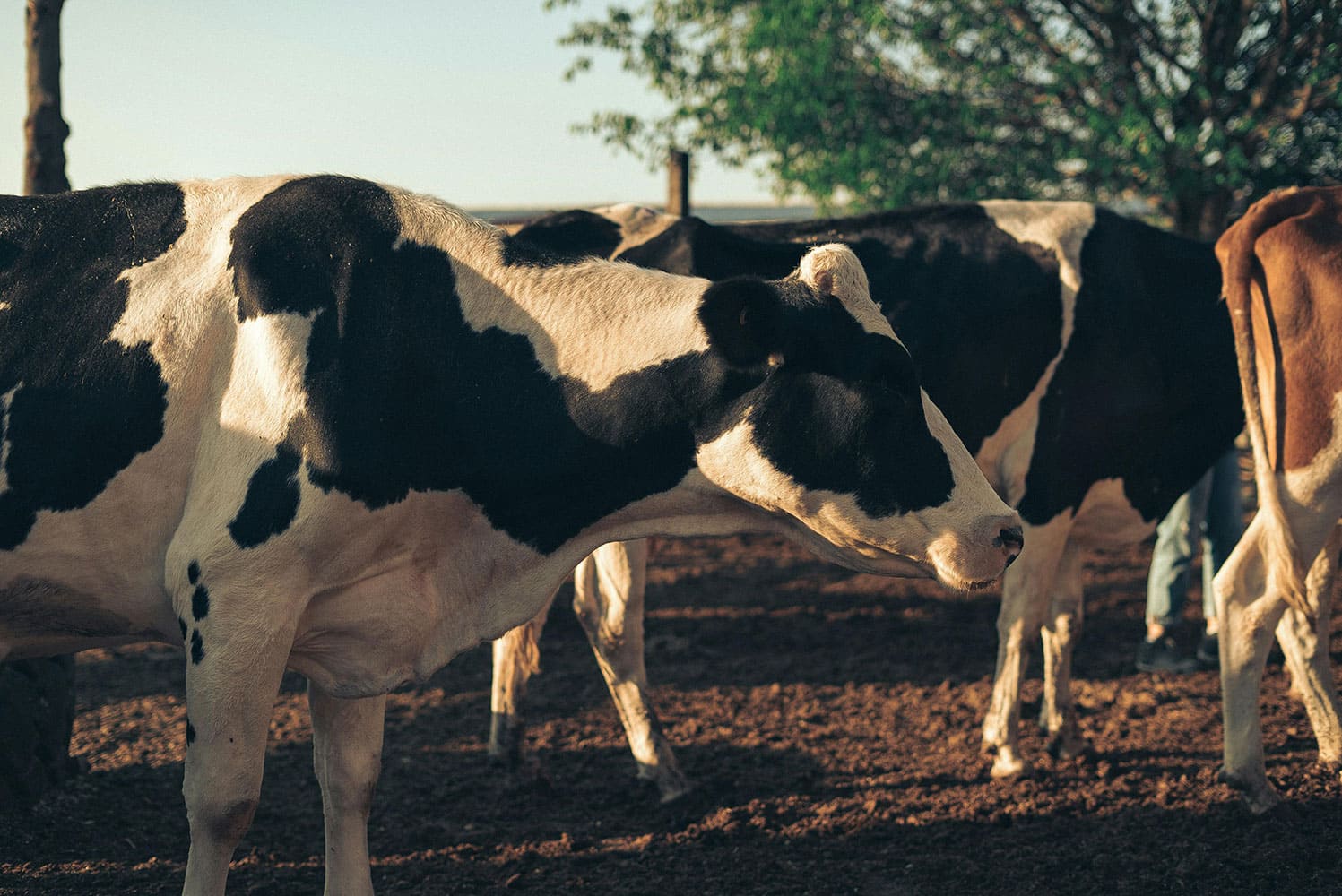
Making milk kefir is remarkably simple and requires just two main ingredients: about 30 grams of milk kefir grains for one liter of milk. You can use cow’s milk, sheep’s milk, or even coconut milk for a plant-based version.
Start by placing the grains in a clean glass jar, then pour in the milk at room temperature, leaving a few centimeters of space at the top. Cover the jar with a cloth or loosely place the lid on top without sealing it tightly, as fermentation produces gas.
Let it sit away from direct light for 18 to 24 hours at room temperature (ideally between 20 and 25°C / 68–77°F). The milk will gradually thicken and develop its characteristic tangy flavor.
Once fermentation is complete, strain the kefir using a plastic sieve to collect the grains, which can be reused immediately for a new batch. The quantity of grains naturally increases over time, allowing you to even share them with others.
Differences between milk kefir and yogurt
Although milk kefir and traditional yogurt share a creamy texture and tangy taste, these two fermented products have notable differences.
The main distinction lies in the diversity of microorganisms: while yogurt typically contains only two strains of cultures (Lactobacillus bulgaricus and Streptococcus thermophilus), milk kefir contains around twenty different strains of bacteria and yeasts, offering a much richer probiotic profile.
This microbial diversity also results in a slightly different texture: milk kefir is more liquid and lightly effervescent, whereas yogurt is thicker and more set. The fermentation process also differs—yogurt requires a controlled temperature of around 40–45°C (104–113°F), while kefir ferments at room temperature, making it even easier to prepare.
Variations and flavoring: lemon-free water kefir and other recipes
Beyond the classic recipe, fruit kefir lends itself to many variations, allowing you to tailor the drink to your tastes and the ingredients you have on hand. Whether you’ve run out of figs, want to explore new flavors, or are looking for plant-based alternatives, flavoring kefir offers an almost limitless creative playground.
Lemon-free kefir: is it possible?
Yes, it is absolutely possible to make kefir without these traditional ingredients, as long as you understand their role.
Organic lemon provides the acidity needed to create an environment favorable to fermentation, but it can be replaced with a slice of citrus without the peel (such as orange or mandarin), or even with a tablespoon of apple cider vinegar.
Dried figs, on the other hand, supply essential minerals and nitrogen that nourish the kefir grains and ensure balanced fermentation. If you don’t have them, you can use other nutrient-rich dried fruits instead: dates, raisins, dried apricots, or prunes are excellent alternatives that also enhance the flavor of the drink.
However, be cautious with fruits that have antibacterial properties, such as cranberries, as they may slow down the growth of the kefir grains.
Lemon and ginger kefir recipe
This variation adds a spicy and invigorating note, particularly appreciated for its digestive benefits. For 1 liter of filtered water, dissolve 80 g of cane sugar, then add 3 tablespoons of kefir grains, one dried fig, a slice of organic lemon, and 3 to 4 slices of fresh ginger.
Let it ferment at room temperature for 24 to 48 hours, until the fig rises to the surface. Then remove the fruit and ginger, strain to collect the grains, and store the drink in the refrigerator.
The combination of lemon and ginger creates a sparkling, refreshing kefir, ideal for supporting the immune system. You can also add a few mint leaves during a second fermentation for an extra refreshing twist.
Coconut milk kefir and homemade Orangina-style drink
For a creamy, lactose-free version, coconut milk kefir is made using water kefir grains. Pour 500 ml of organic coconut milk (with at least 8 g of carbohydrates per serving) into a bottle, add 60 ml of already fermented fruit kefir, then let it rest for 24 hours. The milk will become slightly tangy, thicken a bit, and develop probiotics, resulting in a creamy texture somewhere between milk and yogurt.
On the fizzy side, a homemade Orangina-style drink is sure to please both kids and adults. First, prepare 1 liter of classic fruit kefir and strain it. Then divide it into two swing-top bottles. Add freshly squeezed blood orange juice (or a mix of orange, mandarin, and lemon), leaving some space for CO₂. Seal and let it ferment for another 24 hours at 20°C (68°F) before refrigerating. You’ll get a naturally sparkling drink, free from artificial colors and preservatives—perfect for a healthy refreshment.
Storing kefir and kefir grains in a bottle
How to store kefir grains between batches?
Kefir grains are living organisms that require special care if you want to pause production. For short-term storage (up to about ten days), the simplest method is to place the grains in lightly sugared water (about one teaspoon of sugar per 200 ml of filtered water) and store them in a sealed jar in the refrigerator. The cold slows down their activity while keeping them alive.
For longer storage, up to six months, place your kefir grains in a clean jam jar with sugared water, seal it tightly, and keep it in the refrigerator at 4°C (39°F). Make sure to replace the sugared water every two to three weeks to maintain their vitality.
If you’re planning a longer break, dehydration is the best option: spread the grains on a paper towel, let them dry away from light for a few days, then store them in an airtight container in the refrigerator. They can remain active for over a year and can be reactivated by gradually rehydrating them.
How long can homemade kefir be stored?
Once fermentation is complete and the kefir has been strained, fruit kefir can be stored for 3 to 5 days in the refrigerator in a sealed glass bottle. This timeframe corresponds to when the drink maintains its optimal balance of freshness, fizziness, and moderate acidity. Beyond this point, fermentation continues slowly even in the fridge, making the kefir gradually more acidic and more carbonated.
To maximize its shelf life, always store your kefir in a tightly sealed glass bottle, away from light, in the coldest part of the refrigerator (between 4 and 6°C / 39–43°F). If you notice an unpleasant smell, a slimy texture, or an unusually sharp taste, it’s best not to consume it.
The initial fermentation time also impacts storage: kefir fermented for 24 hours generally keeps better than kefir fermented for 48 hours, as it starts off with lower acidity.
Precautions and risks of homemade fruit kefir
Fruit kefir: what are the potential risks?
Although fruit kefir is generally well tolerated, it does present certain risks that are important to be aware of.
The main concern is its alcohol content, which is often overlooked: the fermentation process naturally produces ethanol, with levels that can reach around 0.5% after 24 hours and up to 2% after two days of fermentation. This presence of alcohol means kefir is not recommended for pregnant women, young children, or individuals who need to avoid alcohol for medical reasons.
Additionally, certain groups should exercise caution. People who are immunocompromised or undergoing treatment for gastrointestinal disorders may not tolerate the live bacteria and yeasts found in kefir well. For those with sensitive digestion, it is advisable to start with small amounts to observe how the body reacts.
Finally, over-fermentation or bacterial contamination are real risks. Since fermentation is a living process, strict hygiene practices during preparation are essential to avoid unwanted contamination.
Homemade kefir kit: choosing the right equipment
To successfully make kefir safely, choosing clean and suitable equipment is essential. A good kit typically includes a wide-mouth glass jar (1 to 1.5 liters), a fine-mesh strainer, a cotton cloth to cover the jar, and pressure-resistant bottles for storage.
A useful tip for ensuring a safe preparation is to prioritize organic ingredients and food-grade equipment. Contrary to popular belief, stainless steel utensils do not pose any issue for fermentation. What matters most is using perfectly clean equipment and washing it thoroughly between each use to prevent the growth of unwanted microorganisms.
Frequently asked questions about homemade kefir
Is it good to drink kefir every day?
Yes, kefir can be consumed daily, but it’s recommended to start gradually to allow your digestive system to adjust. For beginners, half a glass to one glass per day is a good starting point. Once your body has adapted, you can increase the amount to 1 to 2 glasses per day, ideally in the morning on an empty stomach or before meals.
However, it’s advisable not to exceed one liter per day, as excessive consumption may cause bloating or temporary digestive discomfort in sensitive individuals.
Can you drink kefir during pregnancy?
Kefir consumption during pregnancy is approached with caution. Although this fermented drink is rich in beneficial probiotics, it may contain small amounts of alcohol and bacteria resulting from home fermentation.
As a precaution, pregnant women are advised to opt for commercially available kefir, which follows strict safety standards, or to consult their doctor before consuming it regularly. Homemade kefir, even when prepared with non-chlorinated water and strict hygiene practices, requires particular vigilance during this period.
Kefir: should the jar be sealed or left open during fermentation?
The first fermentation (F1) is generally done in a jar covered with a cloth or breathable fabric, allowing for aerobic fermentation while protecting the drink from dust and contamination. This method promotes the development of probiotics and prevents excessive pressure buildup.
In contrast, the second fermentation (F2), which aims to increase fizziness, requires a tightly sealed bottle to trap the carbon dioxide produced.
Throughout the process, it is often recommended to use a wooden spoon rather than metal, as metal could potentially affect the kefir grains.
How to make fizzy kefir?
To get a nicely fizzy kefir, the second fermentation is essential. After straining your kefir at the end of the first fermentation, pour the liquid into an airtight bottle, such as a swing-top lemonade bottle with a secure closure.
Let it ferment at room temperature for an additional 24 to 48 hours. During this stage, the microorganisms continue to produce carbon dioxide, which remains trapped in the sealed bottle, creating natural carbonation.
You can also add a bit of fruit juice or a few pieces of fresh fruit to boost the fizz. Be careful when opening the bottle—release the pressure slowly to avoid overflow.
Where to find kefir grains?
Kefir grains are traditionally shared freely between individuals, continuing an ancestral practice of exchange. You can get them from friends or acquaintances who already make kefir, through dedicated Facebook groups, or via local sharing platforms.
Organic stores like Biocoop also offer dehydrated kefir grains, which are convenient for beginners. Some specialty shops and online stores sell them as well, but the spirit of kefir is rooted in free sharing, as the grains naturally multiply with each batch.
Fermentation associations are also a great resource for finding high-quality grains near you.
Does kefir contain calories?
Homemade fruit kefir is a particularly low-calorie drink, containing around 10 to 30 kilocalories per 100 ml, depending on the fermentation time and the amount of residual sugar. By comparison, a typical soda contains about 37 to 45 kilocalories for the same quantity.
The longer the fermentation, the more the microorganisms consume the initially added sugar, thereby reducing the final caloric content. This low calorie level, combined with its richness in probiotics, makes kefir a healthy alternative to industrial sugary drinks—ideal for those looking to reduce sugar intake while still enjoying a refreshing and beneficial beverage.


![[square]](http://minimiil.com/cdn/shop/files/minimiil-ingredients-probiotiques.gif?v=1783084021&width=1000)